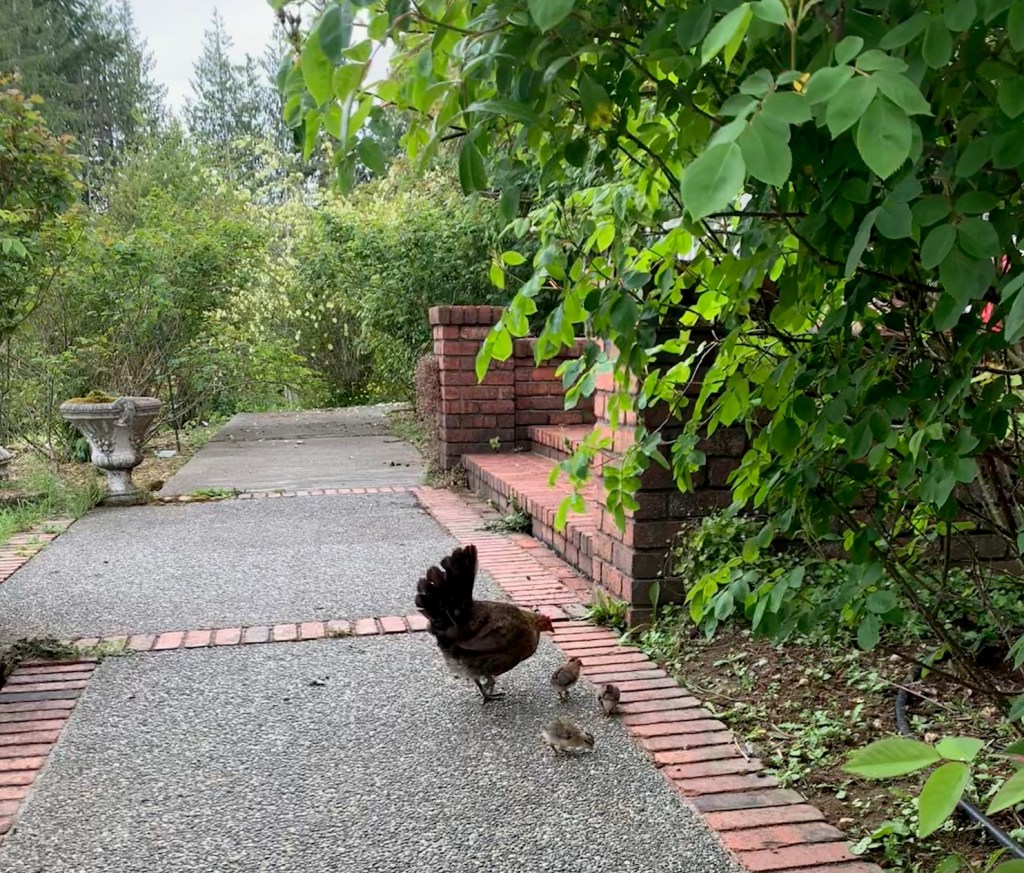
This is partially why we embrace beauty, knowing this particular beauty won’t last. The flower loses its petals. The chick grows. People we love die. We hold these things in our memories and hearts.

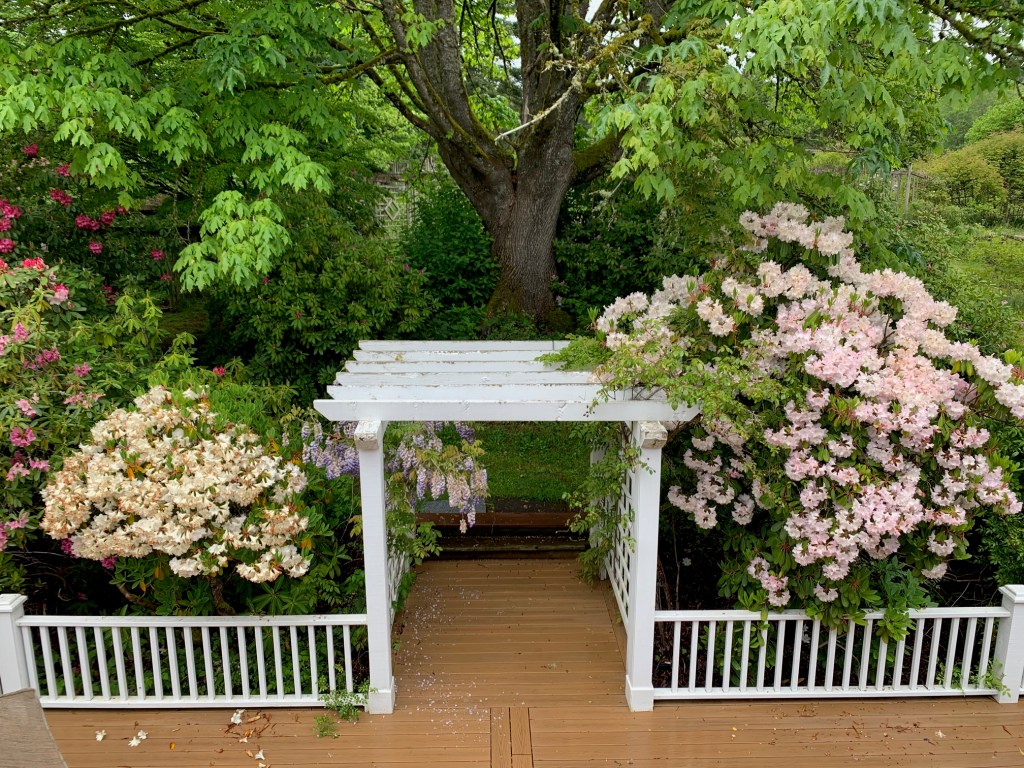

In the case of gardens, we enjoy what delights we find today. However, most of our actions imply that we are seeking future beauty. We pull out plants and infrastructure that didn’t meet expectations and find new (or for some of us old) items to put in their place. The process is good. It should be since a garden is never done.
When I was working with schools in Louisville, Kentucky to implement school and community gardens, I recall a very experienced food systems/environmental educator quip that we should rip out the gardens every year and let the new classes of students start from scratch. That’s not what I wanted to hear after spending countless hours with the students to reach the success of production. As a faculty member, it is more important to write about your work than the work itself. However, what he said made sense. Developing student/community ownership of the gardens is essential for learning to take place there. The decision-making is part of the process. By the third year, students and volunteers were more excited about creating new beds than maintaining the old. The ones they helped create originally were the ones that they came back to.
Change isn’t a bad thing. It’s part of a process. Novices, or even experts, who “save,” “preserve,” or “find” flowers from the past, or roses in a once vibrant collection, are empowered to add their own garden creativity adding to the process. Some roses will not be saved. Some will become very rare. The important thing is to know when to “not be stingy” and open the gardens to others to learn to preserve what is there.


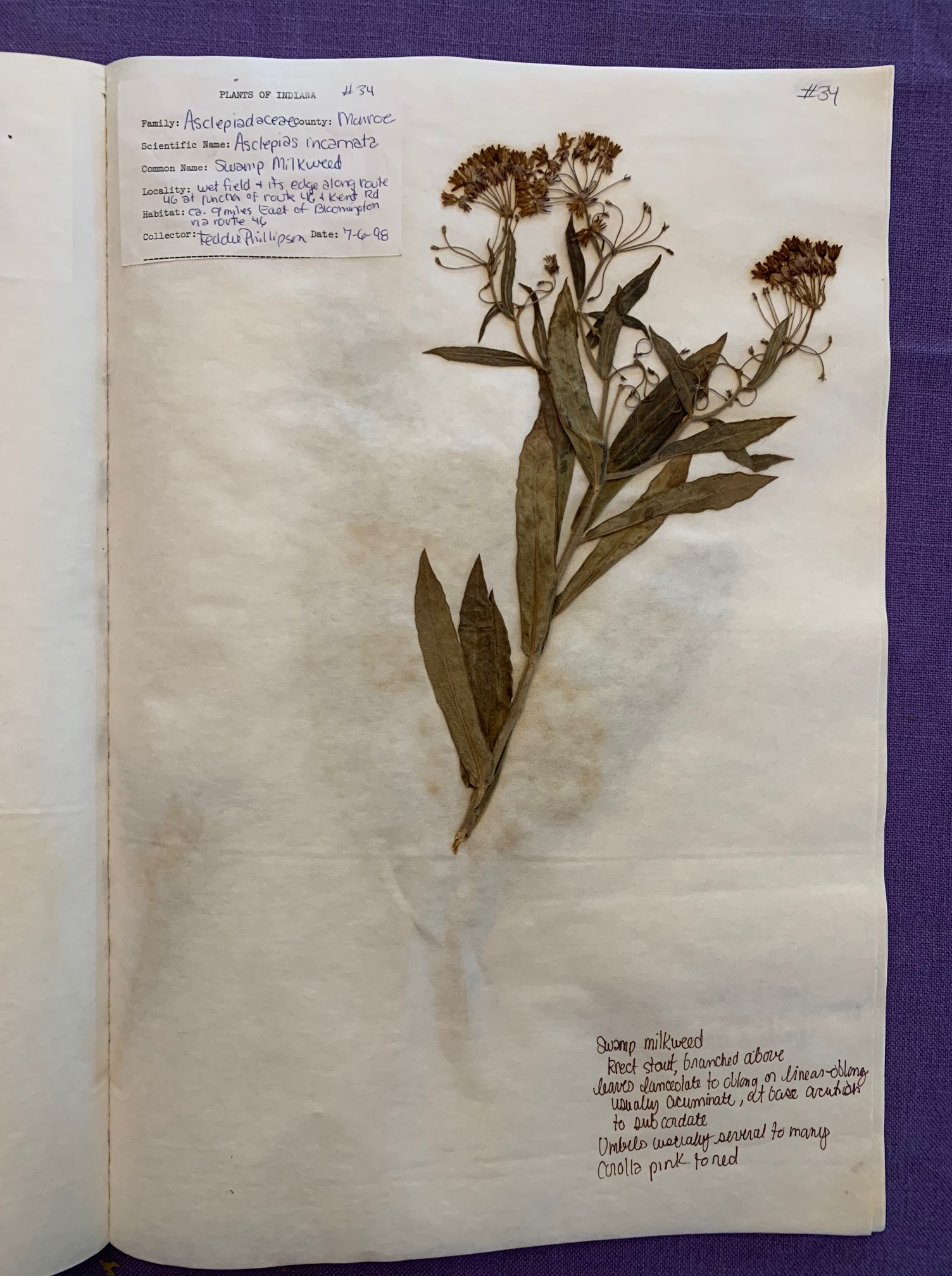
I have had many vegetable gardens, in many climate zones over the years. I have had a few flowers in them, but my main interest when it comes to flowers or showy plants is in the wild. One of my favorite graduate level classes was Summer Flowering Plants at Indiana University Bloomington, with the amazing Dr. Gerald Gastony, expert in homosporous ferns. We traversed the rural fields and forests in and around Monroe County, Indiana, collecting wildflowers to take back to the lab to identify. The most awesome discovery was the pollinia found in Asclepias spp. (milkweeds) and a few others. Knowing this anatomical part saved me on the final exam and caused great satisfaction in being able to correctly ID something that just wasn’t coming to me. Perhaps my interest in flowers in the wild gave way to my delight in species or closely related roses doing what they naturally want to do, such as spinosissimas or Old Garden Roses.
But, I digress. I am focused on the impending changes that Rick and I are facing and creating a positive approach to go forward. The next chapter.
We are moving back to the Indiana farm. This means we are selling the house here in Washington State, Anne’s house. As Anne built this house, Rick built the house on the ridge and the greenhouses in southern Indiana. Actually, Anne designed it. Rick calls it his sanctuary, and it most certainly is. Yellowwood Forest is a very special place, full of wild flowers and animals and foraging opportunities. It’s also closer to my family who are crazy fun. This house and the property are wonderful, but it is really big and meant for a much larger family.

People ask, “what about the roses”?
I feel really good about the work we’ve done with the American Rose Center and Claude Graves in the Saving the Ramblers project. (For more information about this important project go to: https://rose.org/ramblers/). Floret Flower Farm is doing a fabulous job of preserving many heritage roses, including many of the ones here. Erin shares my fondness of spinosissimas so the ones I moved from Len Heller’s garden, will continue on and be well taken care of by Erin. In addition, I will be taking runners to start in Michigan.

Another preservation project we will begin work on this weekend, is one involving the New England Rose Society. With members in Maine, New Hampshire, and Massachusetts, Maria (a board member) researched the rare roses (not just the ramblers) to determine which ones might do well in these colder climates. This Sunday, May 18, we will begin to collect and process cuttings of the approximately 100 identified roses to overnight to the NERS the following day. They will grow these out and keep detailed notes on what works/what doesn’t. Members of the Heritage Roses North West and others who have been so helpful in work parties will help on this side. If you are interested in joining us on Sunday, please email me for more information at teddie.mower@gmail.com before 5:00 PM on Saturday.


Michigan? Yes. We will be buying a house next to my parents where we will put in a garden featuring many of the roses, clematis, lilacs, and other plants here in Anne’s Gardens. Of course, there will be yet another greenhouse to build for Rick. Being close to family is important and we will still be close enough to the Indiana farm to keep up with both places. In addition, we will be able to grow the roses in a place free of RRD. (The multiflora roses in the Hoosier National Forest and Yellowwood is badly infected.)
We will continue Anne’s blog as the season unfolds, people come to visit to help us preserve the roses, and as we make our way to our new homes and design the new gardens. I hope to share information about the roses that are being preserved.
Six years ago about this time of year, I asked my Facebook friends how do you pack up a farm and move it across the country. It’s been an adventure. Now we return with two old sheep – Thor and Frieja, Mango (the quail), lots of rose starts, more heirloom seed, and twice as many books for the library.
Upcoming Events
Sunday, May 18, 2025; 10:00 AM – ?: Collect and package heritage rose cuttings for the New England Rose Society. Contact Teddie by Saturday, May 19th for more information: teddie.mower@gmail.com
Saturday, June 7, 2025; Old Garden Rose Display at Soos Creek Botanical Gardens, Auburn, WA. Opens to the public at 11:00 AM and runs to 3:00 PM. Heritage Roses Northwest members, bring your entries at 9:00 AM. If you have never been to Soos Creek Botanical Gardens, it is one of the most beautiful in the Pacific Northwest. The Old Garden Rose display is amazing too. Low key for a show with plenty of learning opportunities. It’s FREE. Highly recommend.
 Anne Belovich's Roses of Yesteryear
Hello Teddie, I love your great write up about your family’s future. You have done amazing things for Anne’s rose collections and for all of us who came to love the many roses. I hope the sale of the property will go smoothly and that your return to Indiana will have all that you have worked hard to achieve. Best wishes to your and yours. Marie Willard
>
LikeLike